Lake Nakuru National Park Guide

Lake Nakuru National Park: Kenya's Sanctuary of Flamingos and Rhinos

Located in the heart of Kenya's Great Rift Valley, Lake Nakuru National Park is one of the country's most beautiful and accessible wildlife destinations. Just about three hours from Nairobi, it combines alkaline lakeshore birdlife, endangered rhino conservation, scenic escarpments and rewarding game drives in a compact safari circuit.

Landscape and Ecosystem

Lake Nakuru National Park surrounds the shallow alkaline waters of Lake Nakuru and sits within one of the most scenic sections of the Great Rift Valley.

The park covers approximately 188 square kilometers and is framed by wooded and bushy grasslands, rocky escarpments and lakeshore wetlands. This creates a rich ecological mix despite the park's relatively compact size.

The lake itself is shallow and alkaline, creating ideal conditions for algae growth that attracts flamingos and other water birds. Around it, visitors move through open grasslands, euphorbia forest, acacia woodland and elevated viewpoints that overlook the full basin.

That diversity of habitats is one of the reasons Lake Nakuru remains such a rewarding destination. It offers a blend of birdlife, large mammals, scenic geology and manageable driving distances that work especially well for short safari itineraries.

Wildlife of Lake Nakuru

Lake Nakuru National Park is especially important for conservation and remains one of Kenya's best places to see both white and black rhinos.

Key wildlife

Species visitors commonly encounter

  • White rhinoceroses
  • Black rhinoceroses
  • Lions
  • Leopards, occasionally spotted
  • African buffalo
  • Rothschild's giraffes
  • Zebras, waterbucks, impalas and warthogs
Conservation value

Rhinos and rare giraffes

One of the park's strongest conservation stories is the protection of endangered rhino species. Lake Nakuru is also a successful sanctuary for the Rothschild's Giraffe, helping protect one of Africa's rare giraffe subspecies within a secure habitat.

The Flamingos of Lake Nakuru

For decades, Lake Nakuru became world famous for flamingo flocks gathering along the shoreline and creating a vivid pink edge around the lake.

Flamingo numbers vary depending on water levels, food availability and seasonal conditions, but the lake continues to attract both Greater Flamingo and Lesser Flamingo along with many other water birds.

Their presence remains one of the defining visual signatures of the park. Even when numbers fluctuate, the combination of lakeshore birdlife, reflective water and Rift Valley scenery still makes Lake Nakuru one of Kenya's most photogenic safari settings.

Birdlife

Lake Nakuru National Park is considered one of the strongest birdwatching destinations in East Africa, with more than 450 bird species recorded.

Bird species commonly seen

  • Flamingos
  • Pelicans
  • African fish eagles
  • Cormorants
  • Kingfishers
  • Herons and egrets
  • Secretary birds

Why birders rate it highly

The lake's wetlands, shoreline, woodland and grassland habitats support both resident and migratory species, giving bird enthusiasts multiple viewing environments within one park circuit.

Scenic Viewpoints

Lake Nakuru offers several dramatic viewpoints overlooking the lake and surrounding Rift Valley basin, making the park especially rewarding for travelers who value scenery as much as wildlife.

Signature viewpoint

Baboon Cliff

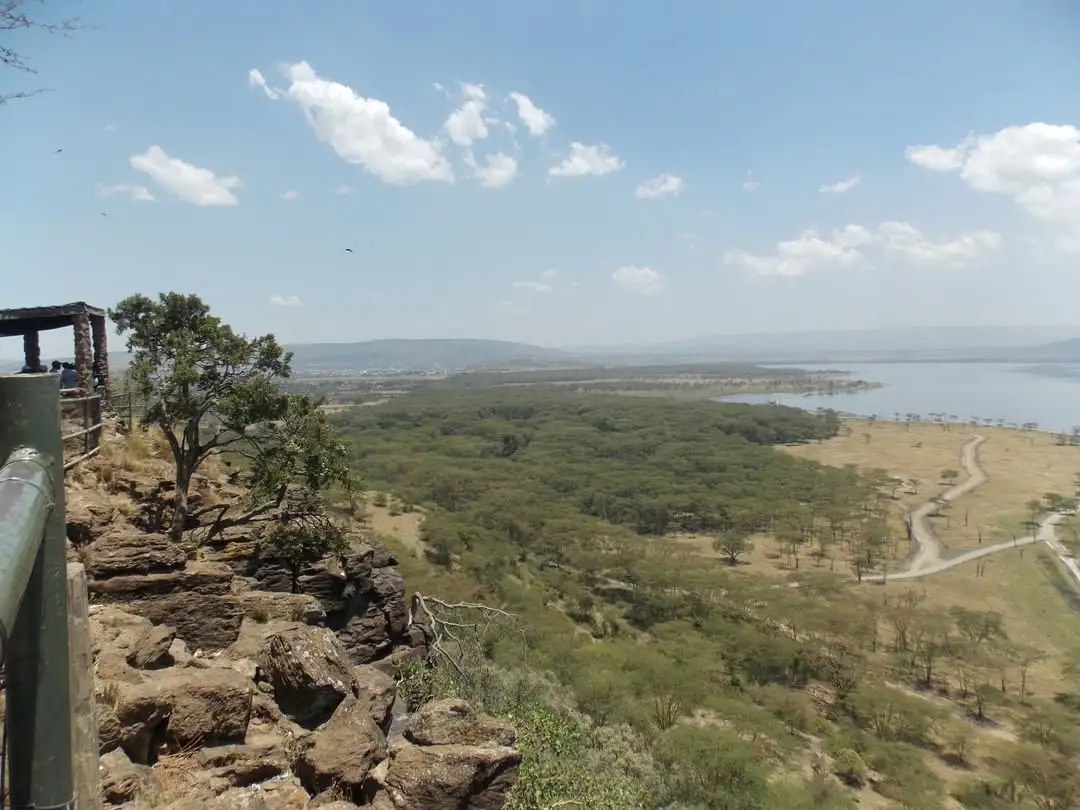
Baboon Cliff is the park's most famous lookout point, offering panoramic views of the lake, shoreline birdlife and wildlife moving across the nearby plains. It is one of the best stops for landscape photography.

Rift Valley perspective

Escarpments and elevated scenery

The park's cliffs and elevated road sections reveal how the lake sits within the wider Rift Valley terrain, adding geological drama to every drive and creating strong contrast between woodland, water and open grassland.

Game Drive Experience

Game drives in Lake Nakuru National Park are rewarding because visitors can move efficiently between very different habitats within a relatively small area.

Well-maintained park roads allow travelers to explore open plains, forested sections, lake-edge zones and escarpment viewpoints in the same safari session. Early morning and late afternoon drives remain the best times to catch wildlife when it is most active.

Because the park is fenced in part to support rhino protection, wildlife sightings are often frequent and more concentrated than in larger dispersal ecosystems. This makes the park an excellent option for visitors who want a highly productive safari with manageable travel time.

Best Time to Visit

Lake Nakuru can be visited throughout the year, with each season offering slightly different strengths for wildlife viewing, birding and photography.

Dry seasons

The dry periods between June to October and January to March are especially good for wildlife viewing because animals gather near water and vegetation is less dense.

Rainy seasons

Rainier months bring greener landscapes, atmospheric skies and strong birdwatching conditions, making the park attractive for photography and nature-focused travel.

Birdwatching note

Flamingo numbers can fluctuate with water levels and seasonal conditions, so birdlife experiences vary through the year.

Access advantage

The park's proximity to Nairobi makes it one of the most convenient overnight or short stay safari options in Kenya.

Why Lake Nakuru is one of Kenya's most special parks

Lake Nakuru National Park blends breathtaking Rift Valley scenery, exceptional birdlife and serious wildlife conservation in one accessible safari destination. From flamingos along the shoreline to endangered rhinos grazing across the plains, every visit offers a layered experience of Kenya's natural beauty, biodiversity and conservation value.

Chat on WhatsApp
Instagram TikTok WhatsApp Group